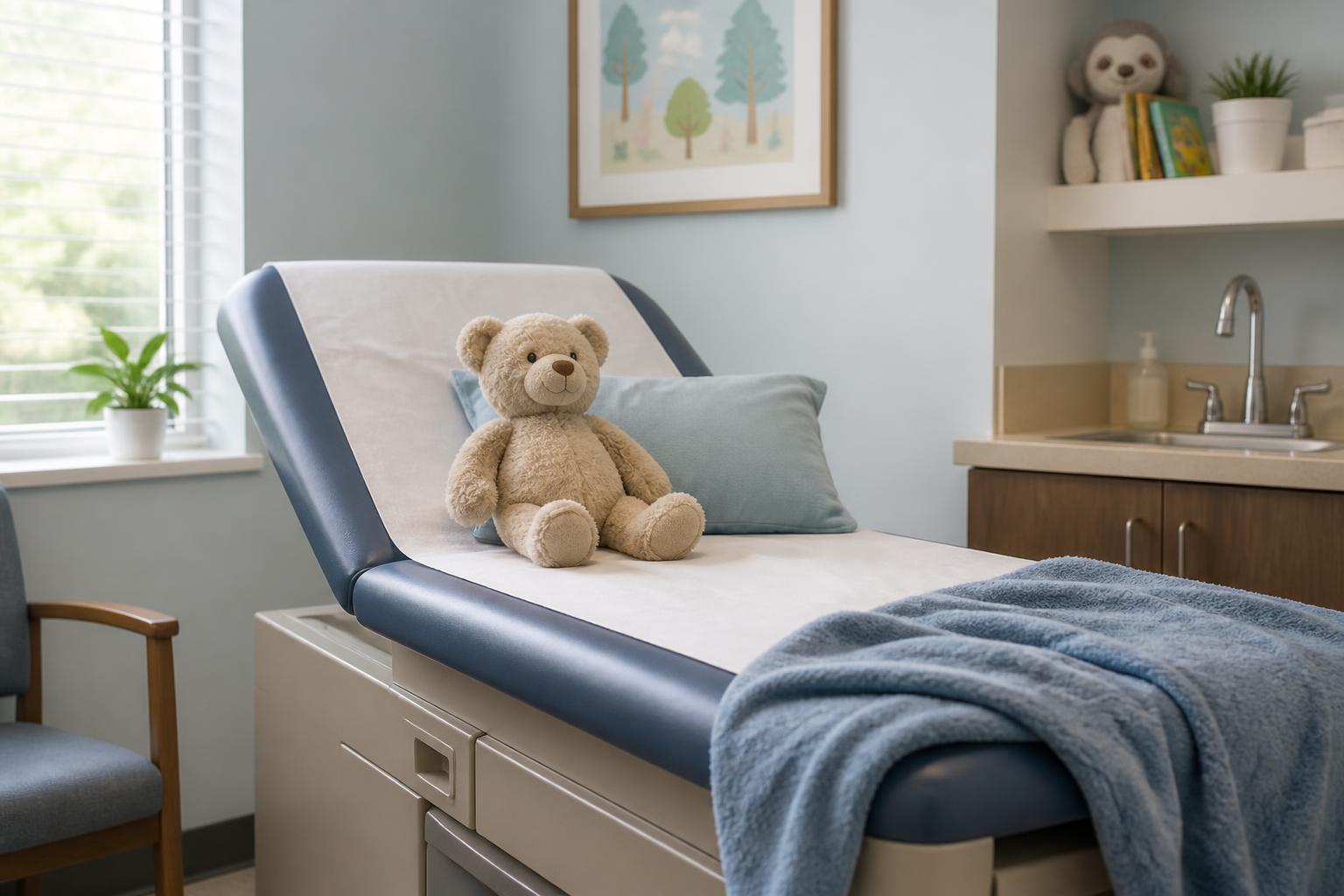
When your child has a fever, persistent cough, sore throat, vomiting, or a rash that has you worried, you want clear answers quickly. Sick Child Visits at Amita Jain, MD give families in San Diego, CA a place to bring those concerns for thoughtful pediatric evaluation and guidance.
We see children for common illnesses and concerning symptoms so parents can understand what may be causing the problem and what to do next. If your child seems more tired than usual, is not drinking well, or you are unsure whether the symptoms call for a visit, our office at 9333 Genesee Ave UNIT 170 is here to help you plan the next step.
A sick visit is a good choice when your child needs a closer look than a home remedy can provide. Some illnesses pass with rest and fluids, but others need an exam to sort out what is going on.
You may want to schedule a Sick Child Visit with Amita Jain, MD if your child has any of the following:
Parents often know when something feels off, even before the child can describe it well. If your child is not acting like themselves, it is reasonable to have them seen.
During a sick visit, we focus on the symptoms that brought your child to the office and look for clues that help narrow the cause. The visit is built around listening carefully and examining the child, not rushing through a quick check.
We ask when the illness started, what has changed, and whether anything seems to make symptoms better or worse. Details such as fever pattern, appetite, sleep, and hydration help shape the next steps.
Depending on the complaint, the exam may include listening to the lungs, checking the ears and throat, looking at the skin, or assessing hydration and comfort. The goal is to match what you see at home with what is happening during the visit.
After the exam, we explain what the symptoms may mean and discuss home care, watchful waiting, or follow-up if needed. If your child needs additional evaluation, we help you understand that path as well.
Many families seek Sick Child Visits for symptoms that sound simple at first but can change quickly. Here are some of the concerns we often discuss during pediatric illness visits.
A fever can come with many different illnesses. We help you understand whether it fits a common viral illness, needs closer follow-up, or should be monitored for new symptoms.
Ear pain, tugging, or fussiness can make it hard for children to rest. We check for signs that point toward an ear-related problem and talk through comfort measures.
A cough may be part of a simple cold, but it can also affect sleep, appetite, and breathing comfort. We assess how the child sounds and how the symptoms are changing over time.
Vomiting or diarrhea can lead to dehydration faster than many parents expect. We look at fluid intake, energy level, and the overall picture to guide care.
Rashes may be harmless, irritating, or a sign of something that should be examined more closely. A sick visit helps determine whether the skin change fits the rest of the illness.
We keep the process straightforward so families know what to expect from start to finish. A sick visit usually begins with a review of the main symptoms and the timeline of the illness, followed by an exam focused on the areas most likely to explain the problem.
If your child is old enough to describe how they feel, we ask them too. Younger children may not have the words, so we rely on parent observations, behavior changes, and the physical exam to guide the conversation.
After the visit, you should leave with a clearer picture of what is happening and what signs to watch for next. If the plan involves home care, we explain it in plain language so you can use it with confidence.
You do not need to do much before a Sick Child Visit, but a little preparation can make the appointment smoother. Bringing the right details helps us understand the illness faster and more accurately.
If your child is very young, it can help to bring a favorite comfort item. For older children, telling them the visit is to help figure out why they feel sick can reduce anxiety.
Once the appointment is over, many parents still have practical questions about what happens at home. We use the visit to give you next-step guidance that fits your child’s symptoms and age.
That may include rest, fluids, monitoring temperature or behavior, or returning for follow-up if the illness does not improve as expected. If symptoms change, it is useful to keep track of what changed, when it changed, and how your child is responding.
Amita Jain, MD also serves as a local resource for families who want a consistent pediatric office for ongoing questions about illness, recovery, and day-to-day child health concerns. Having one place to start can make a stressful day feel more manageable.
Families looking for pediatric Sick Child Visits in San Diego, CA often want a nearby office that is easy to reach and comfortable for routine pediatric care. Our location at 9333 Genesee Ave UNIT 170 serves the surrounding community with in-person visits for children who need evaluation.
Because childhood illnesses can be unpredictable, having a local pediatric office matters. It gives parents a reliable place to turn when symptoms are not clearing up, when a child seems more uncomfortable than expected, or when a parent simply wants a professional opinion about what to do next. Call 858-882-8350 to ask about an appointment.
Common reasons include fever, cough, congestion, sore throat, ear pain, stomach illness, rash, and unusual tiredness. If your child is acting differently or symptoms are worsening, a visit can help sort things out.
Yes. A visit can be useful when symptoms last longer than you expected or are not improving. We look at the full pattern, not just one symptom by itself.
Yes, if you are unsure. Parents do not need to decide on their own whether a symptom matters enough. A sick visit can provide clarity and a practical plan.
That is common, especially with younger children. We rely on behavior changes, physical findings, and your observations to understand what may be going on.
Often yes. Children may have several symptoms at once, such as fever with congestion or vomiting with stomach discomfort. We look at the full picture during the exam.
We discuss that based on the illness, symptom pattern, and how your child is feeling. The guidance after the visit is meant to help you decide what makes sense for rest, school, and activity.
If your child feels unwell and you want a pediatric office that can help you understand the symptoms, Sick Child Visits with Amita Jain, MD offer a practical next step. For families in San Diego, CA, it is a simple way to get answers, direction, and support from a local pediatric practice.
Call 858-882-8350 to connect with the office and arrange care for your child.